Your First Digital Handshake: Why Website Design Matters
Small Business Website Design is usually the first place a potential customer decides whether to trust you or keep looking.
>
Most people won’t consciously think, “This site is bad.” They’ll just feel unsure, click back, and choose someone else.
>
That decision happens fast. Often before they read a single sentence.
>
Whether you build it yourself or hire a professional, your website quietly answers one question for every visitor: “Does this business feel worth my time?” If the answer isn’t immediately clear, you never get a second chance.
Quick Answer: DIY vs. Professional Small Business Website Design
- DIY Website Builders make sense when speed and cost matter more than results. They work well for pre-launch businesses, simple brochures, or testing an idea, but they demand time and limit how clearly you can communicate value.
- Professional Website Design is an investment for businesses that need the website to generate leads, support growth, and compete seriously. It trades upfront cost for clarity, strategy, and long-term return.
- The Right Choice depends less on budget and more on intent. Both paths can work, but only when they match what you actually need the website to do right now.
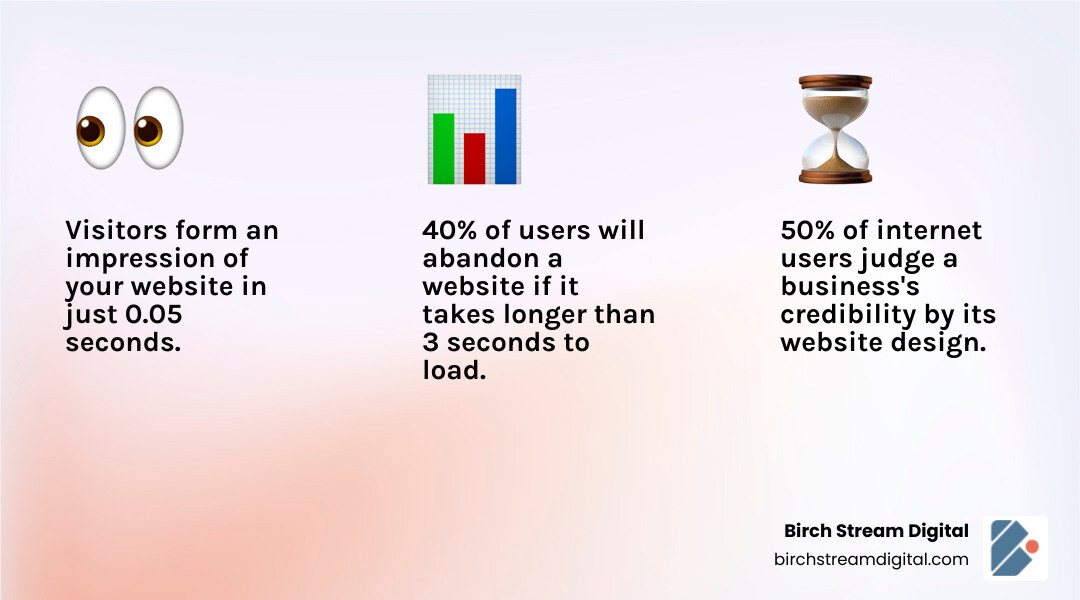
Many internet users judge a business by its website design. That means your site isn’t just about looking good- it’s about communicating value clearly, making it easy for visitors to take the next step, and ensuring you don’t lose customers to a confusing navigation menu or a homepage that takes too long to load.
In Winston-Salem and across the Triad, business owners face this same decision: should I build this myself, or bring in help?
The answer isn’t always obvious, and it’s not the same for everyone.
A DIY website builder can get you online quickly and affordably, but it often comes with hidden time costs, design limitations, and a generic feel that makes it hard to stand out. A professionally designed website costs more upfront, but it’s built with the goal of generating leads, reflecting your brand authentically, and scaling as your business grows.
Neither path is inherently “better”- it depends on where your business is right now and what you need your website to do.
A website should work as a real growth tool, not just a placeholder. Effective Small Business Website Design isn’t about aesthetics alone- it’s about clarity, trust, and making it easy for the right customers to find you and take action.
The DIY Path: When Quick and Affordable is the Goal
Many business owners, especially those just starting, look at DIY website builders with interest. The promise is tempting: get a website up fast, save money, and have total control. And for some situations, it’s absolutely the right call.

The primary benefits of the DIY path are clear. You get a low initial cost, often just a monthly subscription fee, and you have full creative control over every element. You can launch very quickly, sometimes in a matter of hours or days, making it ideal for testing a new idea or getting an online brochure up without delay.
The hidden cost of the DIY route is not money. It’s attention.
>
We regularly see business owners spend weeks tweaking templates, second-guessing layouts, rewriting copy, and troubleshooting things they never planned to learn. Meanwhile, the site still looks “fine” but doesn’t clearly explain what makes the business different or why someone should reach out.
>
DIY builders give you control, but they also lock you into someone else’s structure. That often results in a website that technically works, but feels generic and doesn’t actively help you win business.
The result is often a site that functions, but doesn’t convert. Cluttered layouts, unclear calls to action, and overlooked SEO basics make it harder for the right customers to find you and take the next step. As the business grows, these limitations usually become more visible, not less.
Great Small Business Website Design is built on a foundation of clear objectives and a deep understanding of your audience. You can learn more about a strategic, data-driven approach by exploring our data driven web design process.
Who the DIY path is for
The DIY path is often a great fit for specific scenarios:
- Pre-launch businesses: If you’re still refining your offerings and aren’t ready for a significant investment, a DIY site can serve as a temporary placeholder.
- Hobbyists: For personal projects or side hustles where the online presence isn’t directly tied to revenue, the low cost is appealing.
- Extremely tight budgets: When every penny counts, a DIY builder can get you online without a large upfront cost.
- Simple online brochures: If you only need a few pages to showcase basic information like your address, hours, and contact details, a DIY site is sufficient.
- Testing an idea: Before committing fully, a simple site can help you gauge interest and gather feedback.
Common mistakes with DIY small business website design
While DIY builders offer accessibility, they can also lead to common mistakes that undermine your online efforts:
- Ignoring mobile users: A significant portion of all online searches happen on mobile devices. If your DIY site isn’t fully responsive and mobile-friendly, you risk alienating a large part of your audience.
- Poor navigation: Confusing menus or a lack of clear pathways frustrate users. If visitors can’t find what they need quickly, they are likely to leave and look elsewhere.
- Weak calls-to-action: Your website needs to guide visitors. If you don’t have clear, compelling CTAs, people won’t know what to do next, whether it’s “Buy Now,” “Book an Appointment,” or “Contact Us.”
- Forgetting basic SEO: Search engines can’t find sites that ignore SEO best practices. Even basic keyword usage, meta descriptions, and clean site structure are crucial for findability.
- Using low-quality images: Low-resolution or generic stock images can appear unprofessional. High-quality visuals are essential for conveying professionalism and building trust.
- Slow load times: This is a big one. Visitors will abandon a website if it takes too long to load. A slow site not only frustrates users but also hurts your search engine rankings. A study on how slow load times deter visitors highlights this critical issue.
The Professional Path: Building an Asset for Growth
For many established businesses in Winston-Salem and the Triad, a professional website is the moment the site stops being “good enough” and starts doing real work. It’s not about polish for its own sake. It’s about building an asset that supports growth, credibility, and lead generation over time.

When you choose professional Small Business Website Design, you’re investing in a custom site that reflects your unique brand identity, rather than a generic template. This custom approach helps your business stand out and build brand credibility. A polished, professional look builds trustworthiness, which is important given how quickly visitors can judge a site.
A well-designed site prioritizes user experience (UX), making it intuitive and easy for visitors to steer, find information, and take action. This customer journey impacts customer satisfaction and trust, which can help turn casual browsers into returning customers. Professionals integrate conversion-focused elements and an effective SEO foundation from the start, which is intended to support lead generation and sales growth.
Hiring professionals saves you valuable time. Instead of wrestling with technical details, you can focus on running your business. A strategic website also helps you compete with larger companies by presenting a polished and effective online presence. A professional website can be a powerful online tool for your business. You can learn more about our approach to website development by exploring our Website Design services.
Who the professional path is for
A professional website is a powerful tool, especially for:
- Established businesses: If you’re past the startup phase and ready to solidify your online presence, a custom site can elevate your brand.
- Growth-focused owners: Businesses aiming for increased leads, higher sales, and expanded market reach can benefit from a strategically designed website.
- Businesses needing specific features: If you require custom e-commerce functionality, complex booking systems, or unique integrations, a professional approach is essential.
- Service-based businesses in the Triad: From consultants to contractors, a professional site builds trust and showcases expertise, which is important for local service providers.
- Anyone who values their time: Your time is valuable. Delegating web design to experts frees you to focus on your core business operations.
Key elements of a professional small business website design
A professional website is more than just pictures; it’s a carefully constructed digital tool. Here are its key elements:
- Strategic planning: This is where it all begins. Professionals work with you to define clear objectives, identify your target audience, and analyze competitors to ensure your site is built for purpose.
- Branding and Logo Design: Your website should be a consistent extension of your brand. Professionals integrate your logo, color palette, typography, and brand voice to create a cohesive and memorable online identity. Dive deeper into how we build strong brand foundations with our Branding and Logo Design services.
- Custom functionality: From online stores to appointment scheduling, custom forms, and email list integrations, a professional site can incorporate the specific tools your business needs to operate efficiently.
- Mobile-first approach: With many internet users browsing on smartphones, designing for mobile devices first ensures your site is accessible and user-friendly on every screen.
- Conversion optimization: Every element of the site, from headlines to calls-to-action, is designed to guide visitors toward your desired outcome, whether it’s a purchase, a contact form submission, or a phone call.
- Ongoing support: Launching is just the beginning. Professional services often include post-launch support, maintenance, and analytics monitoring to ensure your site remains secure, updated, and performing well.
> A Simple Way to Decide What’s Right for You
Instead of comparing features, the decision usually comes down to three practical questions:
>
1. Do you need your website to actively generate leads right now?
If yes, professional design almost always pays for itself faster.
>
2. How valuable is your time?
If building and maintaining the site pulls you away from revenue-producing work, the “cheaper” option often costs more long-term.
>
3. Are you planning to grow or just exist online?
DIY works for testing and placeholders. Professional design works when the site needs to scale with your business.
>
There’s no universal right answer. But there is a right answer for your stage of business.
Choosing Your Partner: What to Look for in a Web Design Agency
If you decide the professional path is right for you, finding the right partner is key. Look for an agency or designer who demonstrates:
- A Strong Portfolio: Do you like their previous work? Does it show a range of styles and functionalities?
- Positive Client Testimonials: What do past clients say about their experience and the results they achieved?
- A Focus on Your Business Goals: A good partner will ask about your business first, not just about design preferences. They should want to understand what you need the website to accomplish.
- Transparent Pricing and Process: You should receive a clear proposal that outlines the scope, timeline, and costs, with no hidden fees.
- Local Understanding: An agency with a presence in your area, like Winston-Salem, will have a better grasp of the local market.
- A Clear, Collaborative Process: They should be able to explain how they work, how you’ll be involved, and what to expect at each stage.