
Branding Definition 2025: Ultimate Guide
What Branding Really Means for Your Business
Branding definition: Branding is the strategic process of creating a unique identity and reputation for your business through consistent visual elements, messaging, and customer experiences that distinguish you from competitors and build trust with your ideal customers.
Quick Answer:
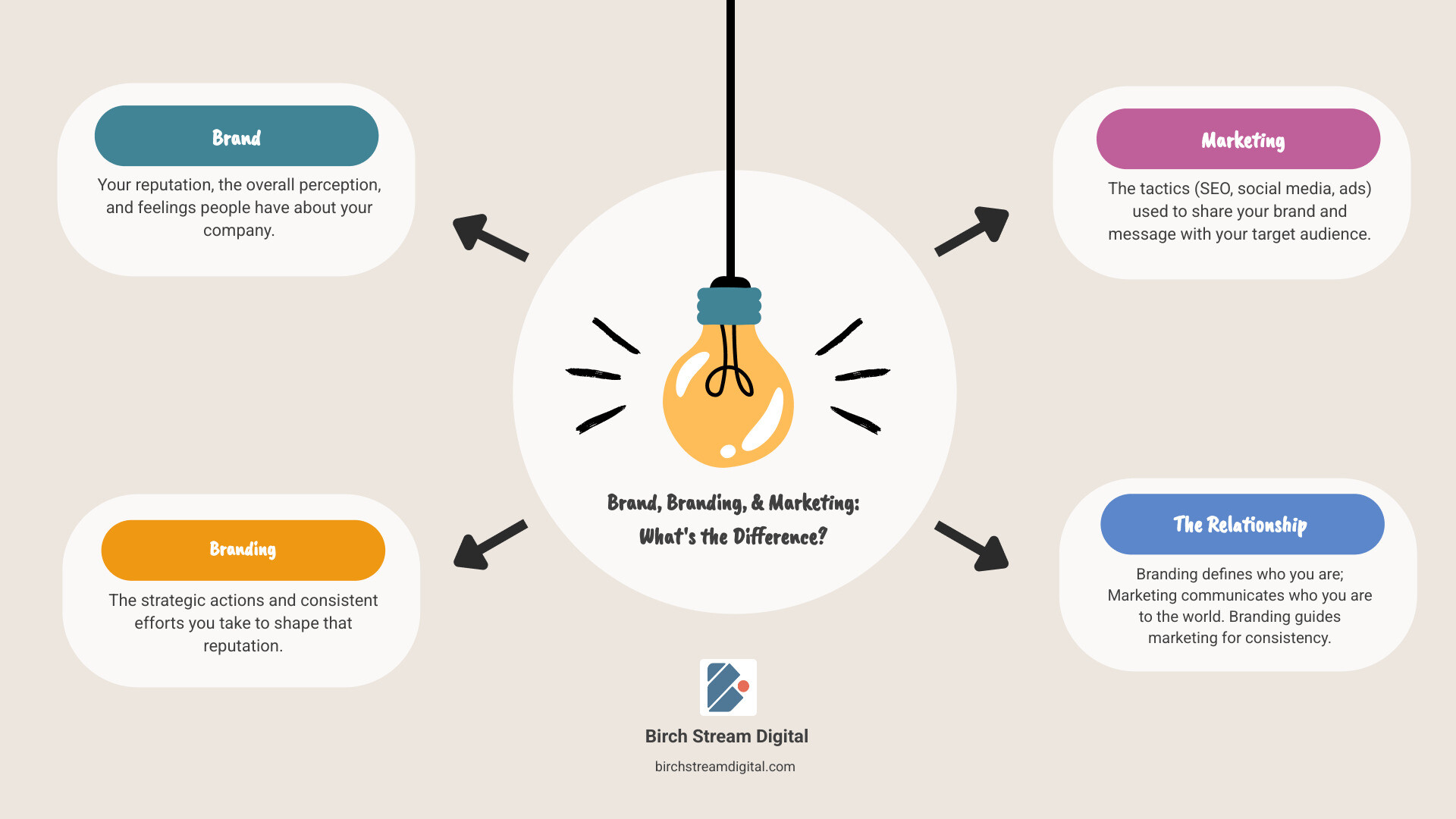
- Your Brand is what people think and feel about your business.
- Branding is the active work you do to shape that perception.
- Key Elements include your logo, colors, messaging, and customer service.
- The Goal is to make your business memorable, trustworthy, and the obvious choice.
As a business owner in the Triad, you may hear the term “branding” and find it can feel vague or complex. Even with a solid service, it can be a challenge to stand out, create cohesive marketing, and ensure customers remember your business.
This guide is for you. We’ll break down what branding really means for your business here in North Carolina and how you can build a brand that customers trust. Branding isn’t just for big corporations; it’s for every business that wants to build a lasting reputation. Whether you’re in High Point, Greensboro, or Winston-Salem, your brand is already forming in people’s minds. The question is whether you’re shaping it intentionally.
At Birch Stream Digital, we think of branding as the foundation under your website and marketing. If that foundation isn’t clear, even good campaigns can underperform.
Who This Is For
This guide is for small and mid-size business owners in Winston-Salem, Greensboro, High Point, and nearby Triad communities who want to use branding to grow their business.
Do You Recognize These Challenges?
- A business can feel forgettable or inconsistent.
- It can be difficult to explain what makes a business different or better.
- A business may attract customers who aren’t a good fit for what it offers.
Why This Problem Happens
Without a clear, consistent brand, it can be difficult for customers to remember a business or know what to expect. This can make it challenging to build loyalty. In a busy market, not clearly communicating a business’s identity can make it harder to be noticed.
How This Guide Solves Your Problem
This article provides a clear branding definition. It outlines the essential parts of a brand and offers a practical checklist. The goal is to provide the information needed to build a brand that connects with ideal customers.
What Is Branding? A Clear Branding Definition
Branding definition: The strategic process of creating a unique identity and reputation for your business through consistent visual elements, messaging, and customer experiences that distinguish you from competitors.
Let’s break down what that really means for your business.
Your Brand Is Your Reputation
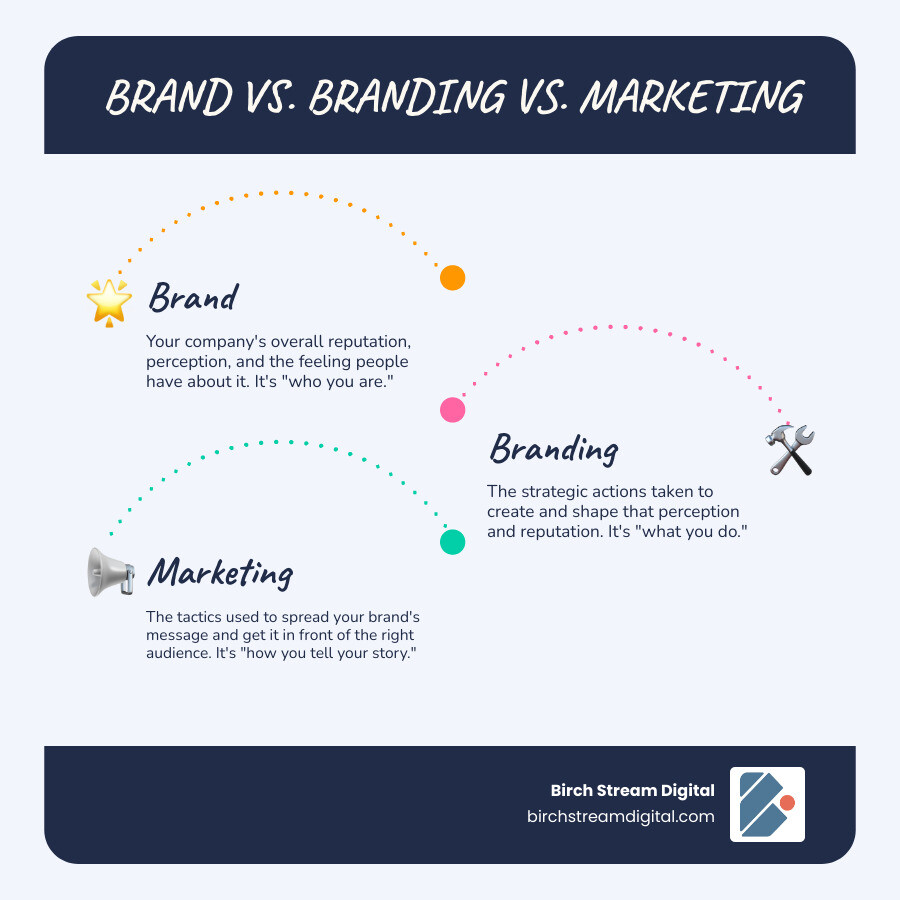
Think of your brand as your company’s reputation. It’s the overall feeling and perception people have about you. It’s what comes to mind when someone hears your business name or what they tell a neighbor when asked for a recommendation.
Your brand isn’t just your logo. It’s the entire experience you provide-from the quality of your work to how you answer the phone. The American Marketing Association defines a brand as a “name, term, design, symbol, or any other feature that identifies one seller’s good or service as distinct from those of other sellers.” In other words, it’s what makes you you.
Branding Is the Action of Shaping That Reputation
If your brand is the reputation, then branding is the intentional work you do to shape it. It’s the strategic effort you put into communicating your values, promise, and personality.
For a business owner in Winston-Salem, branding might mean choosing a professional color palette, writing website copy that sounds authentic, or training your team to greet every customer the same friendly way. These are the actions that build your reputation.
Marketing Is How You Share Your Brand
Marketing is how you spread the word. It’s the tactics you use-like SEO, social media posts, and advertising-to get your brand in front of the right people. Your branding guides your marketing, ensuring everything is consistent.
Branding is who you are. Marketing is how you tell people about it. You can spend money on ads, but if your branding is unclear, those ads may not build the trust needed for growth. A strong brand can increase the effectiveness of marketing investments.
Professional Branding and Logo Design Services focus on creating this strategic foundation to support marketing efforts.
Beyond a Logo: The Feeling of a Brand
Many businesses mistake their logo for their brand. Your logo is a vital visual shortcut, but it’s just one piece of the puzzle. Your brand is the intangible feeling and emotional connection customers have with your business.
It’s the promise you make and the experience you deliver. It’s why someone chooses you over a competitor with similar products and prices.
The Building Blocks of a Strong Brand Identity
Building a strong brand identity is like constructing a house. It requires a solid foundation and consistent design choices that make it uniquely yours. For businesses in Winston-Salem, Greensboro, and High Point, these elements help you stand out and connect with the local community.
The Visual Elements of Your Brand
These are the first things people see and remember. They create immediate recognition and convey professionalism.
- Logo: The face of your business. It should be memorable, versatile, and representative of what you do.
- Color Palette: Colors convey emotion and create associations. A consistent palette reinforces your visual identity.
- Typography: The fonts you use shape your brand’s personality-modern, classic, playful, or serious.
- Graphics and Imagery: The style of photos and illustrations you use. Authentic, professional imagery helps build a relatable brand.
The Messaging and Voice of Your Brand
This is what people hear and feel when they interact with your business. It’s where your message and unique voice come into play.
- Mission Statement: Your core purpose and the “why” behind your business. It tells your community why you exist.
- Company Values: The core beliefs that guide your actions. Customers often support businesses that share their values.
- Brand Voice and Tone: How your brand communicates. A consistent voice-whether friendly or formal-builds trust and familiarity.
- Brand Strategy: A plan that guides branding decisions by defining the business’s purpose, ideal customer, and unique promise.
A Mini-Checklist for Your Brand Strategy
Building a brand can feel like a big project, but you can start with these simple, actionable steps:
- Define Your Purpose: Why does your business exist beyond making money? What problem do you solve for customers in the Triad?
- Identify Your Ideal Customer: Who are you trying to reach? What are their needs and challenges?
- Clarify Your Unique Promise: What is the unique value you deliver to your customers?
- Establish Your Brand Voice: If your brand were a person, what three words would describe its personality? (e.g., “friendly, expert, reliable”).
- Ensure Visual Consistency: Do your logo, colors, and fonts look the same on your website, social media, and physical materials?
How Branding Shapes Your Business and Connects with Customers
A thoughtful brand does more than make your business look good; it changes how customers perceive you. For businesses in the Triad, this connection is crucial for sustainable growth. The goal of branding is to build meaningful relationships that give customers a reason to trust you, remember you, and choose you again.
Building Trust and Lasting Loyalty
A consistent, professional brand builds trust. When customers know what to expect from your business-and you consistently meet that expectation-they feel more comfortable choosing you. When people are often wary of large, impersonal companies, local businesses have a real advantage when they show up authentically.
For businesses in Winston-Salem, Greensboro, or High Point, this trust often translates into word-of-mouth referrals. Over time, trust turns into loyalty, creating the repeat business that helps local companies thrive.
A Practical Branding Definition for Small Businesses
For a small business in a place like Kernersville or Lexington, a clear branding definition isn’t about a huge advertising budget. It’s about consistency. It means using the same logo on your business card and your website. It’s answering the phone with the same friendly greeting every time. It’s building a reputation for quality and reliability, one customer at a time.
This consistency makes your business memorable and helps customers know exactly what to expect, which builds their confidence in working with you.
Influencing Purchasing Decisions
Your brand shapes how people perceive your product or service. A strong brand image can create positive associations with quality, value, or a particular lifestyle, which directly influences purchasing decisions. When you clearly communicate what you stand for and who you serve, you help the right customers find your business.
Today’s consumers are more likely to buy from brands they trust and those with shared values. When your branding clearly expresses your values, it can help attract customers who are more likely to become loyal.
The Role of Your Digital Presence in Modern Branding
Your website and social media are often a potential customer’s first impression. A professional, easy-to-use website that reflects your brand is a key component. It’s your digital storefront, and it needs to represent the quality of your work.
Social media offers opportunities to connect with your community and reinforce your brand. Your digital presence is a tool to engage your audience and provide customer support. For businesses in the Triad, your online presence needs to reflect the same warmth and professionalism that customers experience in person.
Digital Marketing Services can help businesses craft digital strategies that reflect their unique brand identity.
![[object Object]](https://firebasestorage.googleapis.com/v0/b/ai-templates.appspot.com/o/bot%2FDrylH84UoYvfSRNui1Ra%2FcustomImages%2Fdigital%20marketing%20winston-salem.webp?alt=media&token=5570c25f-d1fe-4882-a0be-9b8ecc1cc3a3 "[object Object]")
Putting Your Brand into Practice
Once a brand is defined, the next step is applying it consistently. This is how strategic decisions become customer experiences. Examples of how businesses bring their identities to life can be seen in portfolios of Our Work.
Common Branding Channels for Your Business
Every interaction is a chance to reinforce your brand. Focus on consistency across these key channels:
- Website: Your digital storefront. It must clearly communicate who you are and what you offer.
- Social Media: A place to share your brand’s personality and connect with the local community.
- Physical Location & Vehicles: Your storefront or work truck is a moving billboard. Ensure your signage matches your digital presence.
- Customer Service: Every phone call and email is a chance to reinforce your brand promise through a helpful, consistent approach.
- Advertising: All digital and print ads should use your brand’s consistent visuals and voice.
Common Pitfalls to Avoid
Even with the best intentions, it’s easy to go off track. Avoid these common mistakes:
- Inconsistency: Using different logos, colors, or tones confuses customers and can diminish trust. Authenticity and consistency are what people look for.
- Imitation over Innovation: Copying competitors does not highlight what makes a business unique. It is better to focus on a business’s distinct value.
- Ignoring Feedback: Not listening to customers can create a disconnect between the message you think you’re sending and what they actually perceive.
- Lack of Strategy: Designing a logo without a clear brand strategy is like building a house without blueprints. It often leads to a muddled message.
Branding on a Budget for Small Businesses
You don’t need a huge budget for strong branding. If you’re just starting out in a place like Kernersville or Lexington, focus on these basics:
- Clear Core Message: Simply articulate what you stand for and what problem you solve.
- Consistent Visuals: Use a clean logo and a limited color palette everywhere.
- Authentic Voice: Speak to customers in a way that reflects your business’s personality.
- Excellent Customer Service: Providing great service is a key part of building a positive reputation.
An Actionable Branding Definition for Your Business
For a business owner in Lewisville or Greensboro, the branding definition boils down to this: decide who you are, what you stand for, and then consistently show up that way. It’s about being authentic and reliable in every interaction so your customers know they can trust you.
FAQs
We often hear great questions from local business owners about branding. Here are some of the most common ones we encounter in the Triad.
What’s the real difference between a brand and branding?
Think of it this way: your brand is the noun. It’s your reputation and the feeling people have about your business. Branding is the verb. It’s the intentional actions you take to shape that reputation, from choosing your logo to how you answer the phone.
How much does professional branding cost for a small business?
The cost varies, much like buying a car. A simple logo design is a smaller investment, while a full brand strategy with research and a complete visual identity is more comprehensive. The key is to start where you are and focus on being consistent. You can always grow your branding efforts as your business grows.
Can I do my own branding when I’m just starting out?
Yes. Many entrepreneurs in Winston-Salem and beyond start by handling their own branding. It is helpful to focus on the basics: a clean logo, a simple color scheme, and a clear message about what the business does and why it matters. As a business grows, it can be beneficial to invest in professional help to refine these initial efforts.
How long does it take to build a strong brand?
Building a brand is a long-term process. It develops over months and years of consistent effort and positive customer experiences. Trust is built one interaction at a time, making patience and consistency important.
Why is branding important if I already have a great product or service?
A quality product is the foundation, but in a crowded market, it may not be enough to stand out on its own. Branding helps differentiate a business. It tells the story behind a service, can create an emotional connection, and gives customers a reason to choose one business over a competitor with a similar offering.
Your Brand Is Your Promise
At its heart, your brand is a promise. It’s the commitment you make to your customers about the quality, experience, and value they’ll receive every time they interact with you. When you consistently deliver on that promise, you build something invaluable: trust.
This process does not need to be complicated or expensive. It is about being intentional. By focusing on consistency in your message and visuals, and by being authentic, a business can become a preferred choice for customers in the Triad.
Building a brand is the ongoing effort to define what a business is and to present it that way consistently. This process helps a business move from being just another option to becoming a trusted part of the community.
To learn more about building a brand for your business, you can contact Birch Stream Digital. More information is also available on our About Us page.