
Your Website Should Be Your Best Salesperson
Web design for ROI means building a website that generates measurable business results, not just an online presence. Here’s what matters most:
- Define a clear primary goal for each page (lead, sale, call)
- Design for user experience so visitors can easily find what they need
- Write customer-focused messaging that answers “what do you do?” and “how does this help me?”
- Track conversion rates to measure how many visitors take your desired action
- Optimize continuously based on real user behavior and data
You have a website, but does it feel more like a forgotten online brochure than a key part of your business?
For many small business owners in the Triad, a website is a significant expense that doesn’t seem to pull its weight. It exists, but it doesn’t actively generate leads, drive sales, or feel like a true investment.
This guide is for you. We’ll walk through how to shift your perspective and turn your website into a tool that supports your business growth.
The core problem is that most websites are built without a clear business purpose. They’re designed to look good, but not to guide a visitor toward taking action. The difference between a pretty site and a high-performing one comes down to strategy: every design choice, from your homepage layout to your button color, should serve a specific business goal.
When you treat your website as a strategic asset rather than a digital placeholder, it can work for you 24/7. It can pre-qualify leads, shorten your sales cycle, and free up your time to focus on closing deals with well-informed, interested customers.
I’m Hooman Bahrani, and I’ve spent years helping businesses in Winston-Salem and the Triad build websites focused on business objectives, drawing on experience from running a SaaS company, managing digital customer journeys, and understanding how people connect with what they see online. This guide will show you how to approach web design for ROI in a way that’s practical, grounded, and focused on what truly moves the needle for your business.
Who This Is For
This guide is for small and mid-sized business owners, especially here in the Winston-Salem area, who feel their website is an underperforming asset.
You might recognize some of these feelings:
- You spent good money on a website, but you have no idea if it’s actually bringing in business.
- Your site gets some traffic, but very few visitors contact you or make a purchase.
- You see competitors’ websites and feel like yours is falling behind, but you don’t know what to fix.
- The thought of a website redesign feels overwhelming and expensive, with no guarantee of a return.
If this sounds familiar, you’re in the right place. The problem isn’t that websites don’t work; it’s that many are built without a clear business purpose. They are designed to be online brochures, not strategic tools. This guide will show you how to fix that by focusing on what truly matters: turning your website into an investment that delivers measurable returns.
Why Most Websites Fail to Deliver ROI
The core issue is a disconnect between design and business goals. A website can look beautiful but fail to guide a visitor toward taking action. This often happens when design decisions are based on personal taste rather than on a deep understanding of your customer and what they need to see to trust you and make a purchase. It’s the classic difference between a good-looking website and a high-performing one. A high-performing site is intentionally built to turn visitors into customers. It’s not just about aesthetics; it’s about strategy.
Shifting from a Cost to an Asset: The Foundation of Web Design for ROI
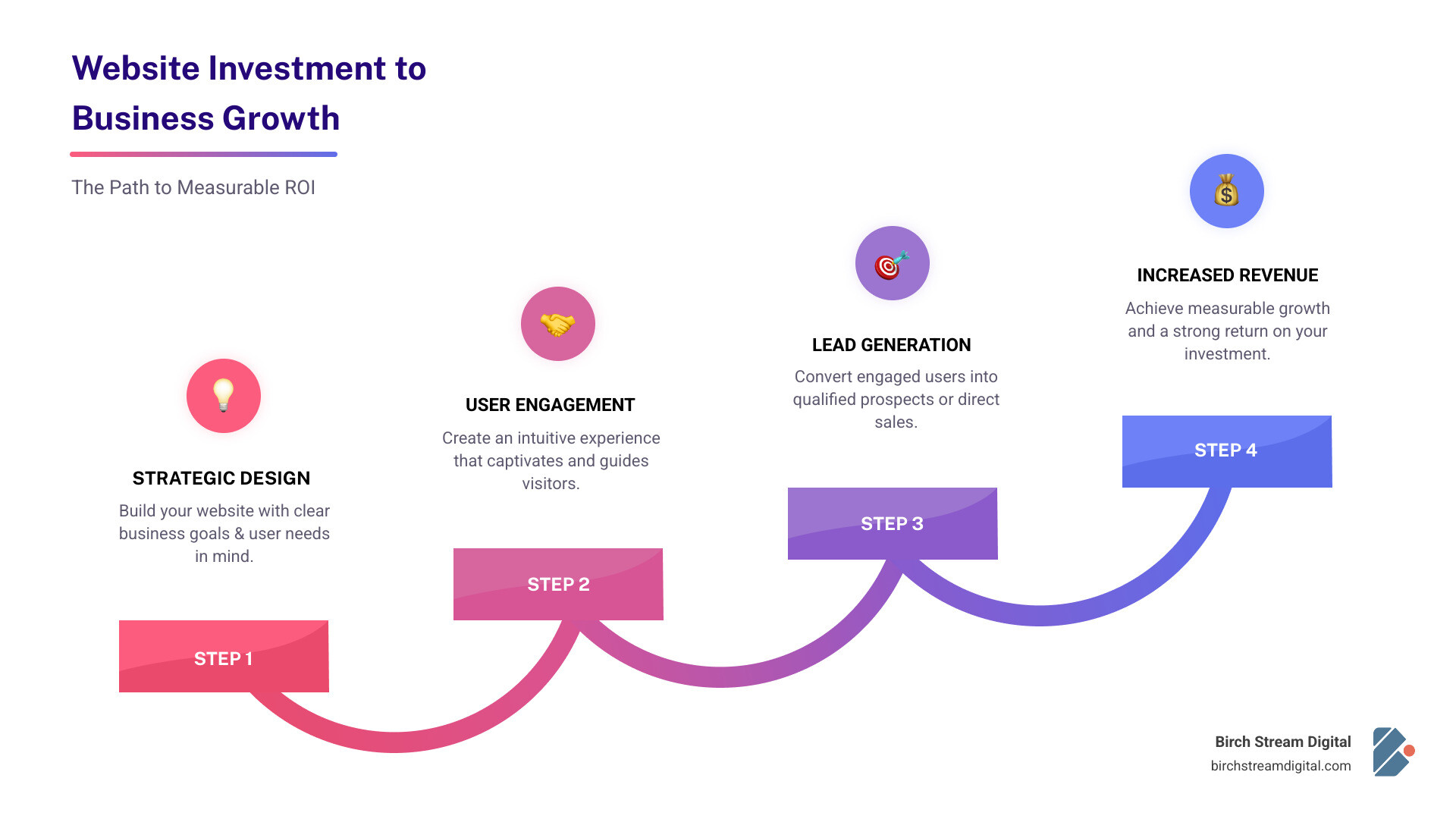
A website designed for return on investment (ROI) is more than a digital placeholder; it’s a strategic business tool that works for you 24/7. Viewing your site as an investment means every design choice, from the layout of your homepage to the color of a button, should serve a specific business goal. This shift in mindset is the single most important step toward building a website that generates real value.
Your website is a business tool. Design it like one.
Have questions? Reach out and we can talk through what makes sense for your business. More info about our Website Design services
Understanding the Primary Goal of Web Design for ROI
The primary goal of web design for ROI is simple: to get visitors to take a specific, valuable action. For an e-commerce store, that’s a sale. For a local service business in Winston-Salem, it might be a phone call, a form submission, or a scheduled appointment. Your website’s design should make this desired action as clear and easy as possible. It’s about turning browsers into buyers and prospects into leads.
How a Strategic Website Impacts Your Bottom Line
A strategic website directly contributes to your profitability in several ways. It can increase the number of qualified leads, shorten the sales cycle by educating prospects before they even contact you, and improve customer loyalty by providing a great experience. When your website effectively pre-sells your services or products, your sales team can focus on closing deals with well-informed, interested customers. This efficiency is a direct and significant return on your investment.
The Essential Elements of a High-Performing Website
To build a site that delivers ROI, you need to focus on a few core elements that work together to create a seamless customer journey. It’s less about flashy trends and more about foundational principles that build trust and guide users toward a decision.
The Critical Role of User Experience (UX) and User Interface (UI)
UX is how a user feels when they interact with your site, while UI is the visual layout and interactive elements they use. Great UX/UI means your site is intuitive, easy to steer, and frustration-free. When a potential customer from Greensboro can easily find your contact information or understand your services without confusion, they are far more likely to stay on your site and convert. Good UX isn’t a luxury; it’s the bedrock of a website that generates ROI.
Content and Messaging That Connects and Converts
Your website’s words and images must answer three questions for every visitor, instantly:
- What do you do?
- How does it make my life better?
- What should I do next?
Clear, concise messaging that speaks to your customer’s problems and offers a clear solution is essential. This is where a deep understanding of your audience pays off. Your content should build credibility and guide them naturally to your call to action.
Mini Checklist: Building a High-ROI Website
- Define a Primary Goal: What is the #1 action you want a visitor to take on each page?
- Prioritize User Experience: Is your site easy to steer on both desktop and mobile?
- Write Clear, Customer-Focused Copy: Does your messaging address your customer’s needs?
- Include Obvious Calls to Action (CTAs): Is it crystal clear what a visitor should do next?
- Set Up Basic Analytics: Can you track how many people are taking your desired action?
Measuring What Matters: How to Track Your Website’s ROI
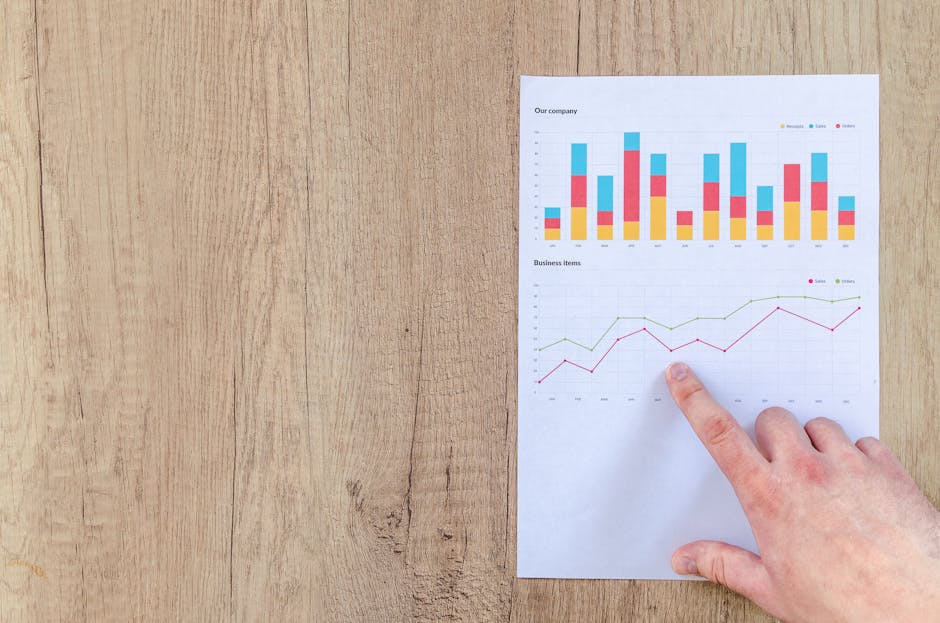
You can’t improve what you don’t measure. Fortunately, you don’t need to be a data scientist to understand if your website is working. Focusing on a few key metrics will tell you most of what you need to know.
Key Metrics for Measuring Web Design for ROI
Instead of getting lost in vanity metrics like page views, focus on numbers that tie directly to business results.
- Conversion Rate: The percentage of visitors who complete your desired goal (e.g., fill out a form, make a purchase). This is the most important metric for ROI.
- Lead Quality: Are the leads coming from your website the right fit for your business?
- Cost Per Acquisition (CPA): How much does it cost in marketing spend to acquire one new customer through your website?
- Average Order Value (AOV): For e-commerce, how much does the average customer spend per transaction?
Using Data to Make Smarter Decisions
Website analytics tools allow you to see which pages are performing well and where users are dropping off. This data is invaluable. For example, if you see many users abandoning your contact form, that’s a clear sign it may be too long or confusing. Making small, data-informed changes can lead to significant improvements in your conversion rate. This is the core of Data-Driven Web Design.
Budgeting for a Website Redesign
When planning a website project, it’s helpful to think in terms of a cost-benefit analysis. As Fractional CFO Chris Gwin notes, you should “When planning a website redesign, conduct a cost-benefit analysis. Consider direct and indirect expenses and tangible and intangible benefits.” Direct costs include design and development, while tangible benefits are the new leads and sales you can measure. This approach frames the project as a strategic investment, not just an expense.
Putting It All Together: A Practical Approach to a Redesign

A website redesign is an opportunity to align your online presence with your business goals. It’s not just about a new look; it’s about building a better business tool. By focusing on strategy first, you can avoid common pitfalls and ensure your new site is built for long-term success. A Professional Website Redesign should always start with a conversation about your business goals.
Need help? Contact Birch Stream Digital and we can walk through your goals together. More info about our Web Design and Redesign services.
Frequently Asked Questions about Web Design for ROI
How can small design changes lead to significant improvements in ROI?
Small changes, when driven by data, can have a significant impact. For example, changing the text on a button from “Submit” to “Get Your Free Quote” can make the benefit clearer and increase clicks. Simplifying a form by removing one unnecessary field can reduce friction and boost completions. These incremental improvements can add up to a higher conversion rate.
What’s the difference between a good-looking website and a high-performing one?
A good-looking website is aesthetically pleasing but may not have a clear strategy. It might impress your friends, but it won’t necessarily bring in new customers. A high-performing website is intentionally designed to guide users to a specific action. It combines strong aesthetics with clear navigation, persuasive copy, and a frictionless user experience to achieve measurable business goals. It looks great and works hard for your business.
How do I know if my website needs a redesign to improve ROI?
Look for clear symptoms: a high bounce rate (visitors leaving quickly), low conversion rates (few people taking desired actions), feedback from users that the site is confusing or hard to use, or a design that looks dated and may not inspire confidence. If your site isn’t actively contributing to your sales and marketing goals, or if you find yourself constantly explaining how to use it, it’s time to consider a strategic redesign.
How does website maintenance and ongoing optimization contribute to long-term ROI?
A website is not a “set it and forget it” tool. Ongoing maintenance ensures your site remains secure, fast, and functional. Regular optimization, based on performance data and changing user behaviors, allows you to continually improve conversion rates. This ensures your initial investment continues to provide returns for years to come. This extends the effective lifespan of your website, improving its overall return.
How can I ensure my website is a business tool, not just a brochure?
Start with strategy. Before any design work begins, define your clear business objectives, thoroughly understand your target audience, and map out the ideal customer journey. Every element of your site should support the goal of moving a visitor from simple awareness to taking a valuable action. This strategic foundation ensures your website is built with a purpose beyond just looking good.
Your Website Can Be Your Hardest-Working Employee

Turning your website from a sunk cost into a productive investment is entirely possible. It begins with a simple shift: treating your site as a strategic business asset designed to achieve specific, measurable goals. By focusing on your user, clarifying your message, and tracking what matters, you can build an online presence that not only looks great but also delivers a real, tangible return for your business.
At Birch Stream Digital, we help businesses in Winston-Salem and beyond build websites focused on their business objectives.